By model
Ford 5.0L Coyote V8: A Plain Guide for Car Owners
By NAPA Auto Parts Team · · 6 min read
Quick answer
The Coyote is a modern Ford 5.0L V8 with two camshafts on each side of the engine. It is not the same as the older 5.0L Ford V8. Check your VIN, the code that names your vehicle, then contact NAPA Auto Parts to confirm any engine suits your vehicle.
The Ford 5.0L Coyote is a V8 engine found in some Ford cars and trucks. This guide tells you what it is, what to check, and how to shop with care. You will also see how it differs from older Ford 5.0L engines. We keep it simple and honest.
What is the Ford 5.0L Coyote?
Coyote is the nickname for a newer Ford 5.0L V8 engine. A V8 has eight cylinders. Cylinders are the round chambers where fuel burns and makes power.
Many owners know the Coyote from the Mustang GT and the F-150. Years, trims and engine codes can vary, so do not guess.
The Coyote uses two camshafts on each side of the engine. A camshaft is a spinning rod that opens and closes the valves. This design helps the engine breathe well when it works hard.
You may hear people say five-oh for any Ford 5.0L. That can cause mix-ups. The name Coyote points to the newer design only.
How is the Coyote different from older Ford 5.0L engines?
Ford has used the 5.0L size for a long time. That is why the name causes confusion. An older 5.0L and a Coyote share a size. They do not share a design.
Parts from one do not simply swap into the other. Do not assume they match because the size is the same.
Here is an example from the store. The 1987-1993 Ford F150 / Bronco 5.0L V8 engine is listed with VIN N as the 8th digit and OEM in the name. OEM means the part came from the maker of the vehicle. This is an older engine. It is not a Coyote.
Contact NAPA Auto Parts to confirm whether any engine suits your vehicle. You can also browse Ford engines to see what is listed.
What should you check before you buy a used engine?
Buying an engine is a big step. A little prep saves you trouble. Start with these checks.
- Your VIN. This is the vehicle identification number, a code on your car. Its 8th digit often points to the engine type.
- Engine size and name. Look at your records or the engine label.
- Mileage. Fewer miles often means less wear. It is not a promise.
- Compression. This is how well the cylinders squeeze air and fuel. Weak compression points to worn parts.
- Background. Ask what is known about the engine and where it came from.
Torque matters too. Torque is the twisting force that gets your car moving. A healthy engine delivers it smoothly, without shaking or hesitating.
Should you pick a used engine or a rebuilt one?
Both choices can work. Neither one is best for everyone.
A used engine comes out of another vehicle. It has miles on it. The mileage in the listing helps you judge the wear.
A rebuilt engine has been taken apart. Worn parts are replaced, then it is put back together. Ask how much work was done and what was changed.
Think about your plans. If you will keep the vehicle for years, the details matter more. If you only need it running for a short time, your needs may be different.
A used engine can be a smart way to keep a good vehicle on the road. Look through all the engines in the store and read each listing slowly. Compare the miles, the engine size and the VIN notes.
What other Ford V8 engines can you look at?
The engines below are not Coyotes. They are other Ford V8 engines you may see while you shop.
- 2008 Ford F150 5.4L Triton V8 engine is listed as a 4X4 engine.
- 2009-2014 Ford Expedition 5.4L V8 engine assembly is listed with VIN 5 as the 8th digit.
Owners of big Ford SUVs may like our guide to used Ford Expedition engines. It gives you more to read before you decide.
Remember that a 5.4L is a different size from a 5.0L. Do not buy by looks or by the Ford name alone. Always match the engine to your VIN. Then contact NAPA Auto Parts to confirm the match.
How do you get ready to order an engine?
A short checklist keeps you from buying the wrong part. Follow these steps.
- Write down your VIN.
- Note the year, make and model of your vehicle.
- Read your engine label for the size and code.
- Take photos of your current engine.
- Contact NAPA Auto Parts and confirm that the part suits your vehicle.
We never promise a fit from a name alone. We want you to feel sure before you buy.
Need help with an order or a question? Visit our support page. You can also start from all Ford engines and work your way down.
Take your time. A careful check now saves you a lot of work later.
Parts that can help
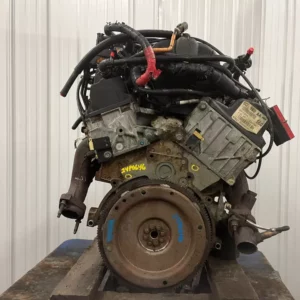
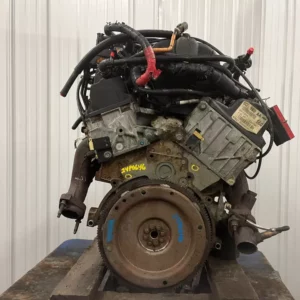 02-04 FORD EXPLORER SPORT TRAC ENGINE MOTOR 4.0 NO CORE CHARGE 241,935 MILES $399.99
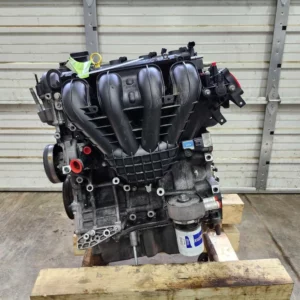
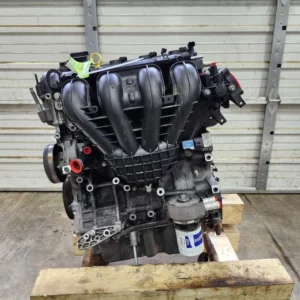 14-15 Ford Transit Connect 2.5L Engine Assembly 141K Genuine OEM ET1Z6007B $449.99
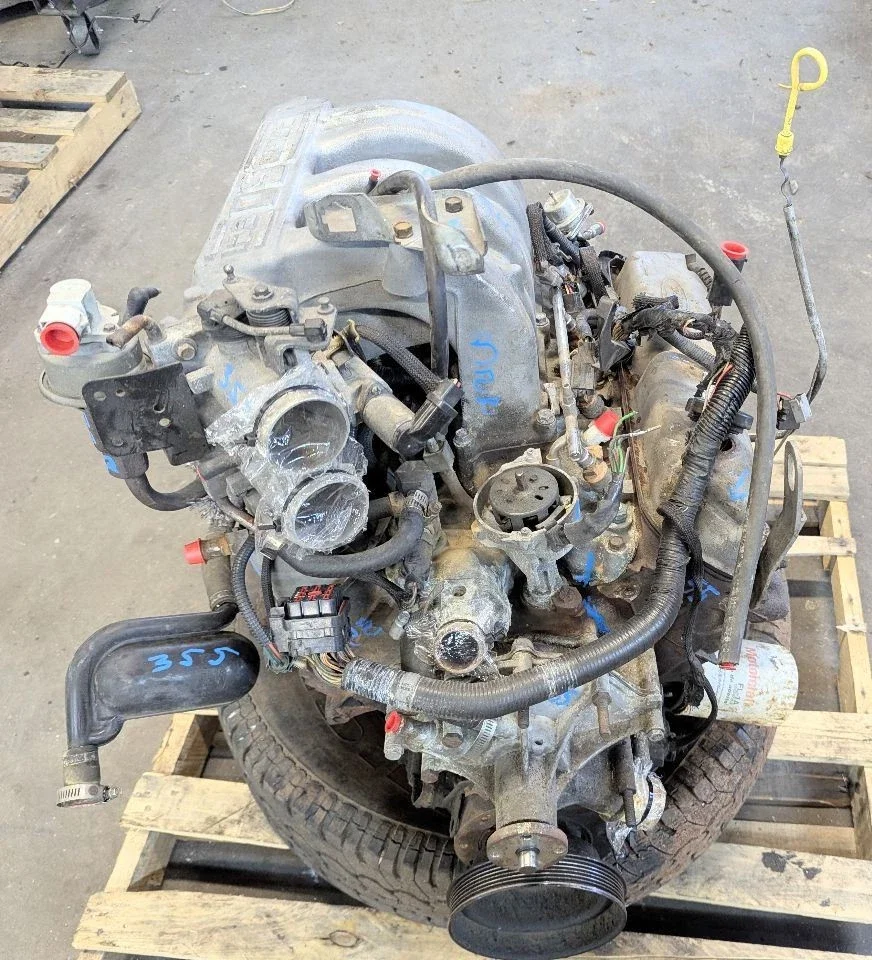
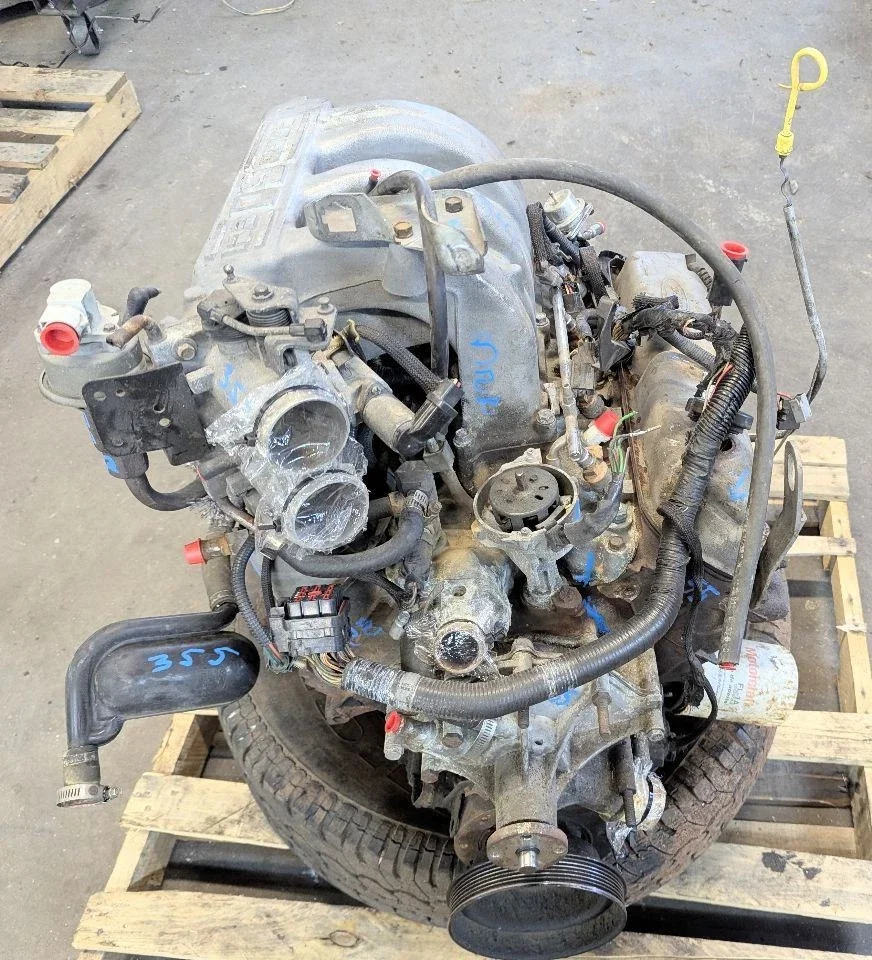 1987-1993 Ford F150 / Bronco 5.0L V8 Engine – VIN N 8th Digit, 87K Miles, OEM $1,359.56
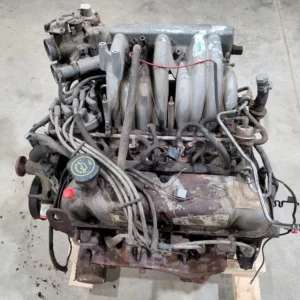 1991 Ford 351W 5.8 Engine for Rebuild or Parts E9AE $560.00
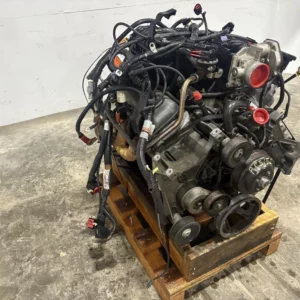 2005-2008 Ford F-150 4.2L Engine (VIN 2, 8th digit) W/208K Miles $556.40
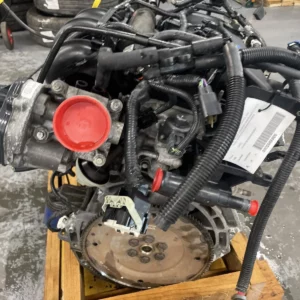 2008 2009 2010 2011 Ford Focus 2.0l DOHC Duratec Engine VIN N Tested 79k Miles $656.89
Frequently asked questions
What is the Ford 5.0L Coyote?
The Coyote is a newer Ford 5.0L V8 engine. Many owners know it from the Mustang GT and the F-150. Contact NAPA Auto Parts to confirm details for your vehicle.
Is the Coyote the same as an older Ford 5.0L?
No. They share the 5.0L size, but the designs are different. Parts do not simply swap between them. Check your VIN and contact NAPA Auto Parts to confirm.
How do I find out which engine my Ford has?
Start with your VIN, the code on your vehicle. The 8th digit often points to the engine type. Also read the engine label. Then contact NAPA Auto Parts to confirm.
Does NAPA Auto Parts have a Coyote engine?
The engines shown with this post are other Ford engines, not Coyotes. Contact NAPA Auto Parts to confirm what is available for your vehicle.
Can I put a Coyote in an older Ford?
It is not a simple swap. Many parts and settings differ between engine designs. Contact NAPA Auto Parts to confirm what your vehicle needs before you buy anything.
What is the difference between a used and a rebuilt engine?
A used engine comes out of another vehicle and has miles on it. A rebuilt engine is taken apart and worn parts are replaced. Ask for the details on each listing.
More from the blog
- Cold Weather Care Tips for Your Engine: What to Know Before Winter - Cold weather care for your engine comes down to a few simple habits and checks. This guide shows you easy steps to take before and during...
- A Beginners Guide to Buying Used Engines: What to Check First - Buying a used engine is easier when you know what to check, what to ask, and who to call. This guide walks you through each step in plain...
- 5 Tips for Buying Used Japanese Car Engines - This guide gives you five clear tips for buying a used Japanese car engine with less stress. You will learn what to check, what to ask, a...
Can't find the part? Contact us
Tell us the year, make, model and engine and we will check what we have or can source.
Need help choosing the right part?
Our team can check fitment and availability for you. See our shipping and returns information, contact support or shop all parts.